Springfield, MA residents with slate roofs understand the need for meticulous inspections to ensure their homes’ structural integrity and longevity. A slate roof inspection is not a routine task but a critical checkpoint safeguarding against weather damage and aging effects. This article delves into the precise methodologies required for thorough slate roof inspections, highlighting the steps homeowners should anticipate and the expertise involved in identifying and addressing common issues. From understanding the significance of these inspections to learning about advanced assessment techniques, this guide provides a comprehensive framework for maintaining slate roofs in Springfield’s unique climatic conditions.
- Understanding the Importance of Slate Roof Inspections for Springfield MA Residents
- Preparing for a Slate Roof Inspection: What Homeowners Need to Know Beforehand
- The Step-by-Step Process of Conducting a Comprehensive Slate Roof Inspection
- Identifying Common Issues in Slate Roofs and Effective Remediation Strategies
- Advanced Techniques for Assessing the Integrity of Slate Shingles
- Documenting and Reporting Findings: The Role of Detailed Inspection Reports in Maintaining Slate Roofs in Springfield
Understanding the Importance of Slate Roof Inspections for Springfield MA Residents
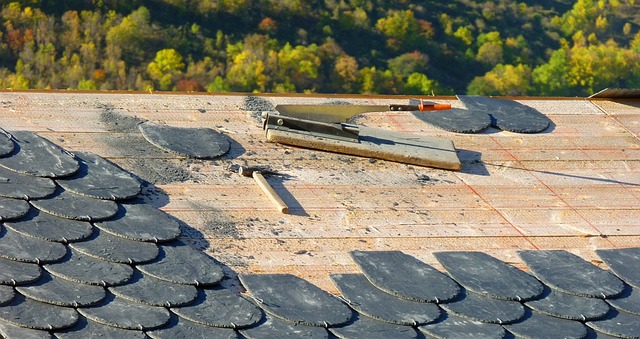
Slate roof inspections hold a critical role for residents in Springfield, MA, due to the unique challenges posed by the region’s climate and architectural styles. The city’s historical homes, often featuring slate roofing systems, require meticulous maintenance to withstand the elements and maintain their integrity over time. A thorough inspection of a slate roof is not merely a routine task; it is an essential practice for identifying potential issues before they escalate into costly repairs or replacements. Springfield’s residents must prioritize these inspections, especially after periods of intense weather, which are common in the region. Professionals conducting slate roof inspection services in Springfield MA bring expertise in evaluating slate conditions, from identifying slipped tiles to assessing the underlayment and flashing integrity that protects the interior of homes from water intrusion. Regular inspections can pinpoint subtle wear and tear, ensuring that repairs are addressed promptly, thus safeguarding the structural soundness and longevity of these historic properties. Homeowners in Springfield should consider slate roof inspection services as a vital investment in their home’s upkeep, one that is both proactive and protective against the elements.
Preparing for a Slate Roof Inspection: What Homeowners Need to Know Beforehand
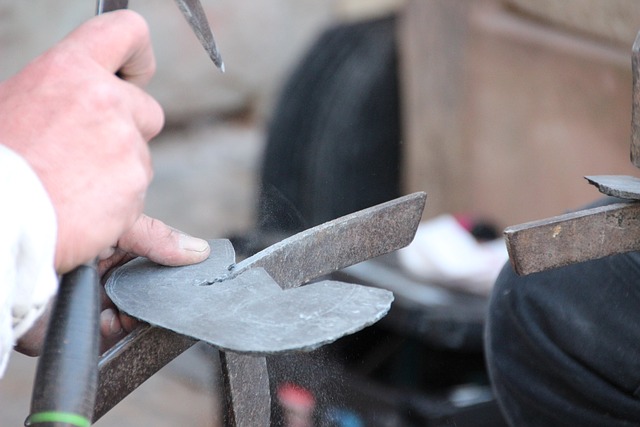
When preparing for a slate roof inspection in Springfield, MA, it’s crucial to understand the unique characteristics and maintenance requirements of this durable material. Slate roofs offer unparalleled longevity and weather resistance, but they also demand meticulous care and regular inspections. Homeowners should anticipate a thorough examination that assesses the condition of each slate tile, the integrity of the underlayment, and the overall structural health of the roof. Prior to the inspection, ensure that all relevant documentation, such as warranty information, is readily available. This will facilitate a comprehensive assessment by the inspector and provide clarity on any future repairs or maintenance needs. It’s also advisable to clear the surrounding area of obstructions for safe and efficient access to the roof. By taking these preparatory steps, homeowners in Springfield, MA, can ensure that their slate roof inspection is both effective and informative, safeguarding their home against potential leaks and other issues while extending the lifespan of their investment. Understanding the intricacies of a slate roof system and the importance of regular maintenance will empower homeowners to make informed decisions about their property’s upkeep.
The Step-by-Step Process of Conducting a Comprehensive Slate Roof Inspection

When embarking on a slate roof inspection, meticulous attention to detail is paramount. The process begins with an initial visual assessment from the ground, noting any obvious signs of damage or wear that may be evident in the slates themselves or in adjacent areas. This sets the stage for a more in-depth examination. Once on the roof, inspectors should systematically survey each slate, carefully lifting every other slate to inspect the fastening and underlayment without causing unnecessary disturbance. It’s crucial to check for signs of aging, such as algae growth, moss accumulation, or efflorescence, which can compromise the integrity of the roof over time. The condition of the nails holding each slate in place should also be evaluated, ensuring they are secure and not rusting, as this could lead to leakage. Additionally, the inspection must include a thorough examination of flashing points where the roof meets other structural components, such as chimneys, valleys, and ridge lines, as these areas are particularly susceptible to leaks. Throughout the inspection, it’s important to document any irregularities with high-resolution photographs for a clear record of the roof’s current state. This documentation is invaluable for assessing repair needs and for future comparisons after maintenance or repairs have been carried out. In Springfield, MA, where slate roofs are a common feature due to their durability and aesthetic appeal, such inspections ensure the longevity and safety of these architectural treasures. The inspection concludes with a comprehensive report detailing any issues discovered, along with recommendations for repair or maintenance to maintain the integrity and performance of the slate roof over time.
Identifying Common Issues in Slate Roofs and Effective Remediation Strategies
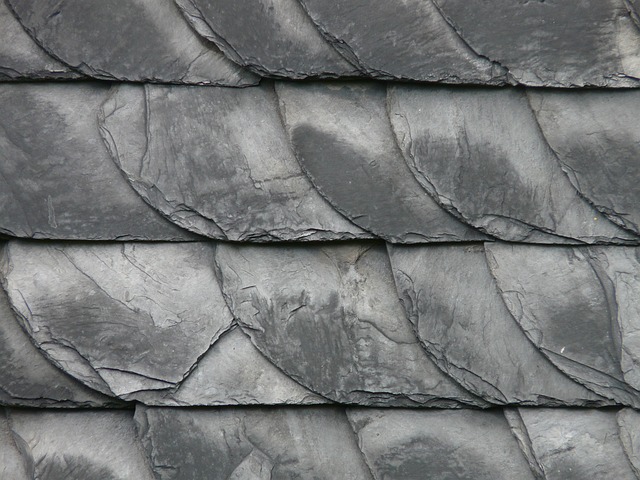
When it comes to slate roof inspections in Springfield, MA, homeowners and professionals alike must be vigilant for common issues that can arise with this durable yet finicky material. During a slate roof inspection, one typically finds problems such as slipped or broken slates, which can compromise the integrity of the roofing system. These may be due to environmental factors like high winds or the natural aging of the slates themselves. Regular inspections are crucial for early detection and intervention, preventing larger issues from developing.
Effective remediation strategies for slate roof problems often start with a thorough assessment. For slipped or broken slates, the affected tiles should be carefully removed, and the underlying battens checked for damage. Any necessary repairs to these battens are crucial to maintain proper ventilation and support for the remaining slates. Replacement slates should match the existing ones in size, shape, and color to preserve the aesthetic integrity of the property. Additionally, sealing joints with a high-quality sealant can protect against moisture ingress, which is a common cause of decay in slate roofing systems. It’s important to engage licensed professionals who specialize in slate roof inspection Springfield, MA, to ensure that these repairs are performed with precision and care, extending the lifespan of your slate roof and safeguarding your home from potential water damage.
Advanced Techniques for Assessing the Integrity of Slate Shingles

When assessing the integrity of slate shingles, a meticulous inspection is paramount to ensuring the longevity and safety of a property in Springfield, MA. Advanced techniques such as high-resolution imaging and thermal scanning offer unparalleled insights into the condition of slate roofs. Certified inspectors utilize these technologies to detect even the subtlest signs of wear or potential failure points. Infrared thermography, for instance, can reveal moisture intrusion by highlighting temperature variations beneath the slate, which might not be visible through traditional means. This non-invasive method ensures that each shingle is evaluated for both structural integrity and thermal performance, providing homeowners with a comprehensive understanding of their slate roof’s condition after an inspection in Springfield, MA.
Furthermore, the examination extends to the underlayment and flashing components, which are critical to maintaining waterproofing and preventing leaks. The inspectors’ expertise lies in identifying irregularities such as curling, chipping, or splitting shingles that could compromise the roof’s effectiveness. Slate roof inspections conducted with these advanced techniques not only ascertain the immediate state of the slate but also predict potential issues, allowing for proactive maintenance and repair plans. This level of precision focus is essential for property owners in Springfield, MA, who rely on the integrity of their slate roofs to protect their assets against the elements all year round.
Documenting and Reporting Findings: The Role of Detailed Inspection Reports in Maintaining Slate Roofs in Springfield

During the spring months, the climate in Springfield, MA, can present unique challenges to slate roofs. Regular and meticulous inspections are crucial for maintaining these structures. A comprehensive Slate Roof Inspection in Springfield MA involves a thorough examination of every slate, identifying any that are loose, broken, or otherwise compromised. The process ensures that each slate is accounted for, with its condition accurately documented. This documentation serves as a critical record of the roof’s integrity, providing clear evidence of its current state and any necessary repairs. Detailed inspection reports not only facilitate efficient and effective maintenance but also serve as a historical reference point, allowing for informed decision-making over time. These reports are indispensable tools for contractors, homeowners, and insurance providers, offering precise information on the condition of the slate roof, which is essential for long-term preservation and cost-effective management. The findings from these inspections enable targeted repairs, ensuring that each slate is securely replaced or repaired, thereby upholding the roof’s protective functions against Springfield’s variable weather conditions. This proactive approach to maintenance significantly reduces the likelihood of more extensive and costly damages that could arise from negligence or deferred care.